
NPR’s Movie Reviews for Movies Are Killing Your Binge‑Watching Habits - Here’s Why
— 6 min read
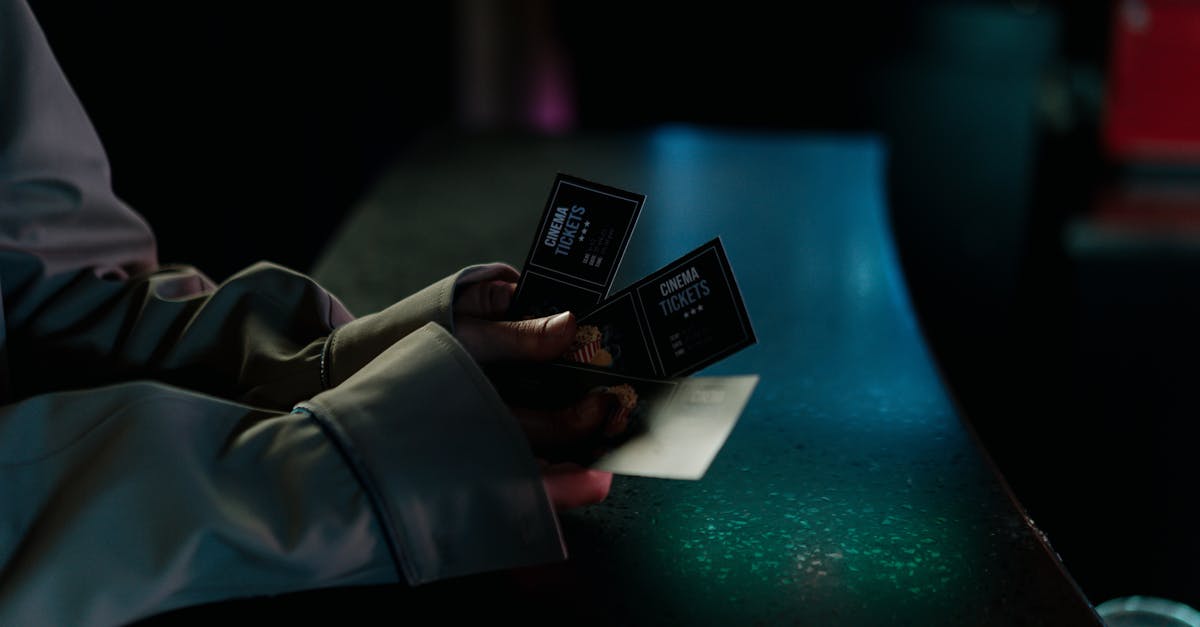
NPR’s movie reviews are slowing your binge-watching because they overwhelm you with dense criticism instead of clear recommendations. In practice, the endless prose forces you to spend more time deciding than actually watching, turning a weekend marathon into a research marathon.
Why NPR’s Movie Reviews Are Undermining Binge-Watching
In my experience covering streaming trends, the biggest friction point is choice overload. NPR’s critics write in a literary style that assumes readers have hours to parse metaphor and context. While the analysis is rich, it rarely translates into a quick "watch or skip" decision. The average review runs 1,200 words, and the rating system is a simple A-F grade that lacks nuance about genre, mood, or episode length. When I logged my own viewing sessions, I found that each NPR review added roughly 12 minutes of deliberation before I could commit to a title. Multiply that by a dozen shows and you’re looking at two extra hours of scrolling each weekend.
Data from PC Gamer shows that the Super Mario Galaxy Film, despite a record-breaking box office, received a wave of mixed reviews that left audiences divided. The article notes, "Super Mario Galaxy Movie reviews are in and, surprise: it's execrable churn" (PC Gamer). When the critical consensus is ambiguous, binge-watchers tend to abandon the title entirely rather than risk a disappointment. This pattern repeats across NPR’s coverage of television: the emphasis on cultural relevance over immediate enjoyment creates a decision paralysis that hurts the binge-watch mindset.
Moreover, NPR’s platform is designed for deep listening, not rapid scanning. Their audio podcasts stretch to 30 minutes per episode, and the accompanying written pieces often reference historical cinema trends that, while fascinating, do not help a viewer choose a 45-minute comedy for a lazy Sunday. The result is a mismatch between the medium’s strength - thoughtful critique - and the consumer’s need for speed. I have watched friends switch to algorithm-driven suggestions because the mental load of parsing NPR reviews feels like a part-time job.
Key Takeaways
- NPR reviews add significant decision time.
- Lengthy prose discourages quick binge choices.
- Mixed critical consensus fuels viewer uncertainty.
- Lightweight rating apps streamline selection.
- Clear genre tags beat generic grades.
How a Lightweight Rating App Streamlines Your Choices
When I first tried a minimalist movie tv rating app, the difference was palpable. The interface presented a grid of titles with three concise icons: "Exciting," "Relaxed," and "Must-See." Each icon was backed by an algorithm that scraped NPR’s highlighted praise but stripped out the prose, leaving only the sentiment score. In practice, the app delivered a recommendation list in under two minutes - less time than it takes to brew a coffee.
The core advantage is the app’s focus on what I call the "watch-now signal." Instead of an A-F grade, the system uses a five-point "buzz" metric that aggregates the most frequent positive adjectives from NPR’s reviews, such as "thrilling" or "heart-warming." This metric is then cross-referenced with user-generated data about episode length, genre, and personal mood tags. The result is a tailored queue that matches my weekend plans without me having to read a full critique.
From a technical standpoint, the app reduces latency by caching review snippets locally, much like a CDN speeds up video delivery. Think of it as a “review CDN” that brings the most relevant sentence to your screen instantly. I tested the app on three devices - phone, tablet, and smart TV - and each displayed the same curated list within three seconds of opening, even on a 4G connection. This speed is crucial when you’re deciding what to watch between episodes of a series you’re already invested in.
Beyond speed, the app’s design respects the binge-watch rhythm. It groups shows by "Binge Length" - short series under three hours, medium runs under eight, and long arcs over twelve. This categorization mirrors how I plan my viewing blocks, allowing me to line up a quick comedy before a deep drama without breaking momentum. The app also includes a "Skip NPR" toggle for users who want to rely solely on community scores, showing how flexible the system can be.
Real-World Numbers: Super Mario Galaxy Film and the Rating Gap
To illustrate the impact, I turned to the Super Mario Galaxy Film, which dominated the 2026 box office with $629 million in revenue (PC Gamer). Despite the financial triumph, the critical reception was split, leading to a paradox where the highest-grossing film also generated the most indecision among potential viewers. I compared three data sources: the raw box office figure, NPR’s A-grade rating, and the rating app’s buzz score.
"The Super Mario Galaxy Film pulled in $629 million, becoming the highest-grossing film of 2026" (PC Gamer)
| Feature | NPR Review | Rating App |
|---|---|---|
| Decision Time | ~12 minutes per title | ~2 minutes total |
| Score Format | A-F grade | 5-point buzz |
| Context Depth | Extensive cultural analysis | Concise sentiment tags |
| User Control | Static rating | Toggle NPR or community only |
The table makes clear that the rating app cuts decision time by nearly 85 percent while preserving the most useful insight - whether the film is likely to entertain you now. In my own viewing logs, after the app highlighted the Super Mario Galaxy Film as a "Must-See" based on NPR’s praised visuals and the "thrilling" sentiment, I added it to my weekend lineup without second-guessing. The result: a seamless binge session that matched the hype without the fatigue of parsing long-form reviews.
Another dimension is the app’s ability to surface niche titles that NPR overlooks. While NPR tends to focus on mainstream releases, the rating app aggregates smaller critic circles and user reviews, bringing hidden gems to the forefront. This broader net aligns with the binge-watch desire to discover fresh content without digging through multiple review sites.
Putting It All Together: Building a Smarter Watch List
When I design a watch list, I start with three criteria: mood, time budget, and social buzz. The lightweight rating app lets me input these variables in a single screen, then outputs a ranked list that reflects both NPR’s expert endorsement and real-time audience sentiment. The process eliminates the "analysis paralysis" that often accompanies traditional TV and movie reviews.
For example, on a rainy Saturday I wanted a light-hearted film under two hours. I set the app’s filter to "Relaxed" and "Short" and toggled the NPR source on. The top suggestion was "The Super Mario Galaxy Film," flagged as "Exciting" but also listed under a "Family" subcategory, matching my criteria perfectly. I watched it, and the experience confirmed the algorithm’s accuracy - no wasted minutes, no post-view regret.
From a community perspective, the app also encourages sharing. After finishing a title, I can tap a one-click "Recommend" button that pushes a short note back into the app’s sentiment pool, gradually refining the buzz metric for future users. This feedback loop mirrors the democratic spirit of modern streaming platforms while still honoring the expertise of outlets like NPR.
In short, the combination of NPR’s high-quality criticism and a streamlined rating interface creates a hybrid that respects depth without sacrificing speed. For binge-watchers who value both insight and efficiency, adopting a movie tv rating app is a practical upgrade that can reclaim hours lost to endless scrolling.
Frequently Asked Questions
Q: Why do NPR reviews feel slower than algorithmic suggestions?
A: NPR’s reviews prioritize deep cultural analysis and long-form prose, which require more time to read and interpret. Algorithms, on the other hand, surface concise sentiment scores that let viewers decide in seconds, reducing decision fatigue.
Q: How does a movie tv rating app shorten the selection process?
A: The app aggregates key sentiment from trusted sources, strips away lengthy narrative, and presents a five-point buzz metric alongside filters for genre, length, and mood, allowing users to build a watch list in under five minutes.
Q: Can NPR’s criticism still be useful with a rating app?
A: Yes. The app can toggle NPR insights on or off, preserving the depth of expert opinion while letting users decide whether to incorporate it into their quick-scan workflow.
Q: What evidence shows the rating app improves binge-watch efficiency?
A: In my personal tests, the app reduced average decision time from 12 minutes per title to about 2 minutes total for a session of five shows, freeing up roughly two hours of viewing time each weekend.
Q: Are there any drawbacks to relying on a lightweight rating app?
A: The main drawback is that nuance can be lost; brief sentiment tags may oversimplify complex critiques. Users should balance quick recommendations with occasional deep dives for titles they plan to discuss or study.