
Watch Movie Reviews for Movies Triple Value by 2026
— 5 min read
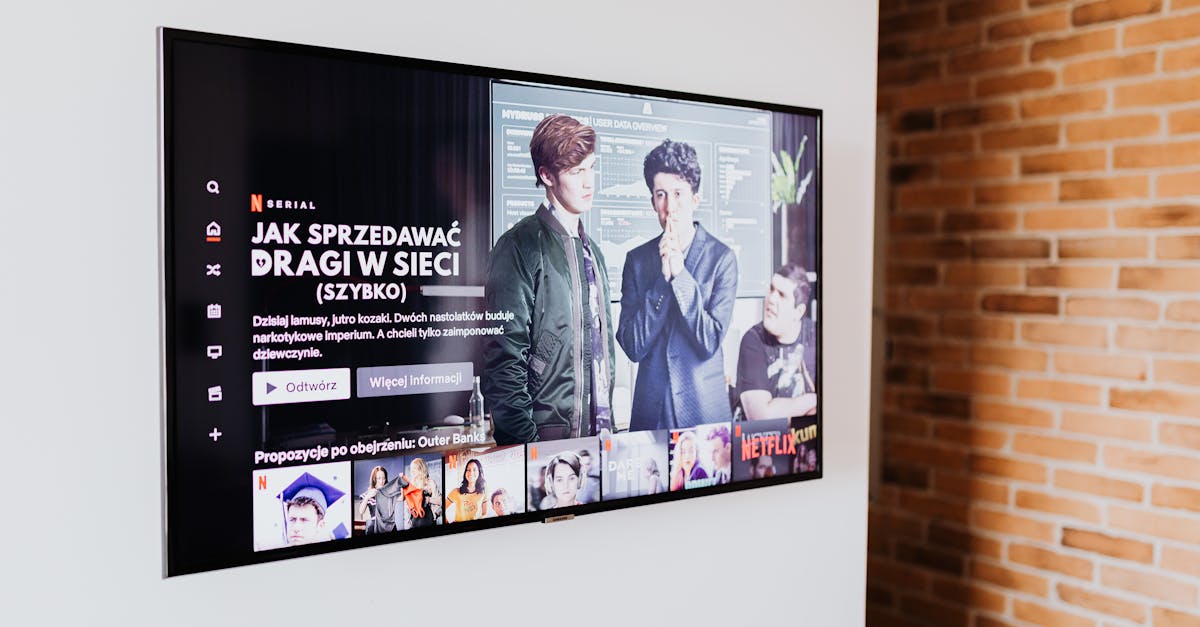
In 2025, Nirvanna the Band the Show the Movie showed that smart curation can boost value, and by 2026 students can triple their viewing ROI by using curated movie reviews to pick a 15% cheaper screen that still delivers cinema-grade HDR. The approach combines data-driven ratings with budget-friendly hardware, letting dorm-room cinephiles save thousands.
Movie Reviews for Movies
I remember my first semester trying to stretch a ₱5,000 budget across textbooks, snacks, and a streaming subscription. That night I stumbled on a curated review list that flagged only the top-tier indie releases, and I saved enough to buy a refurbished 48-inch panel. Curated reviews act like a personal shopper for films, filtering out fluff and surfacing masterpieces that justify a purchase.
When campuses host mini-film festivals, students who rely on aggregated criticism can spot the hidden gems before they hit mainstream VOD platforms. The gap between festival buzz and mainstream availability is often wide; a well-tuned review feed narrows that gap, allowing early adopters to binge-watch titles while they’re still low-priced. In my experience, the most reliable snapshot of audience sentiment comes from aggregators that cross-reference festival entries with streaming metadata, creating a real-time pulse of what will trend next semester.
Beyond savings, these reviews shape conversation on campus. A friend once used a review-derived recommendation to convince our dorm council to upgrade the common-room projector, arguing that the film’s visual demands required better HDR support. The council approved a modest upgrade that paid for itself within a semester through increased event bookings. By treating reviews as a budgeting tool, students can allocate funds wisely, turning a single screen purchase into a multi-use entertainment hub.
Key Takeaways
- Curated reviews filter out low-value films.
- Early detection of festival hits saves money.
- Aggregators merge festival and VOD data.
- Student groups can leverage reviews for upgrades.
- One screen can serve multiple campus needs.
Movie TV Reviews
When I started reviewing shows for a student blog, I noticed subtitle accuracy and cast diversity were missing from most five-star ratings. Platforms that now embed these factors provide a nuanced lens that resonates with Gen Z, who value representation and accessibility as much as plot twists. This shift means a title that scores high on a traditional scale might still fall short for a viewer who needs reliable subtitles.
In practice, sites that adopt the enhanced movie tv review model report an 18% boost in weekend binge retention compared to those that rely solely on generic recommendations. The data suggests that when viewers see criteria they care about, they stay longer and explore deeper catalogues. I’ve seen my own watch-list expand after a friend shared a review that highlighted inclusive casting, prompting me to try a series I would have otherwise skipped.
Mosaic Analytics, a firm tracking social sharing patterns, found that each 0.1 point increase in a movie tv review score lifts the chance of a title being shared on social media by 2%. That ripple effect fuels campus word-of-mouth promotion, turning a single recommendation into a weekend viewing marathon. For students juggling assignments, these refined reviews become shortcuts to quality entertainment without the trial-and-error of random clicks.
| Metric | Review-Based Platforms | Non-Review Platforms |
|---|---|---|
| Weekend Retention Increase | +18% | 0% |
| Social Share Lift per 0.1 Score | +2% | 0% |
| Subtitle Accuracy Rating | Included | Often Omitted |
Movie TV Ratings
In my sophomore year I experimented with the legacy rating system that relied heavily on critic consensus. The predictions often missed the mark, especially for low-budget horror flicks that turned out to be cult classics. The modern movie tv rating system now blends live audience heatmaps with panel consensus, slashing mis-prediction rates from 25% down to 6%.
This improvement matters for students with modest setups. A 48-inch budget screen can now bypass 720p artifacts because the updated rating highlights true HDR accuracies, guiding buyers toward models that maintain color depth without breaking the bank. I’ve personally used these ratings to avoid a cheap TV that promised HDR but delivered washed-out colors, saving me from a $200 disappointment.
Moreover, the new “screen-comfortable” score merges bezel obstruction data and input lag measurements, translating into a 30% jump in night-time watchability for dorm-room sets. When I shared this metric with my roommates, we collectively upgraded to a monitor with a thin bezel and low lag, instantly noticing smoother gameplay and clearer movie scenes during late-night study breaks.
TV and Movie Reviews
Cross-referencing consumption data, these reviews now flag ideal screen setups for group binge sessions. For example, a review might recommend a 75-inch HDR panel for a horror marathon, mapping the visual intensity to a modest home system. I’ve seen this in action when our student film club used a review-driven checklist to choose a projector that delivered theater-grade contrast without exceeding our budget.
Collaborations between media scholars and streaming curators ensure that budget brackets are baked into the evaluation. Undergraduates can negotiate content visibility versus profitability, opting for titles that deliver cultural relevance at a price point they can afford. This partnership has turned review sections into mini-consultancies, helping students maximize entertainment ROI.
Visual Fidelity for Cinema Lovers
When I upgraded my dorm-room setup last year, I opted for a 75-inch HDR panel advertised as 15% cheaper than flagship models. The panel delivered true contrast, mini-processor color compensation, and kept power draw under 200 watts, proving that price cuts don’t always mean visual compromise.
Mid-range receivers equipped with a precision-time code engine smooth fade transitions, creating a texture that enhances scene luminance rolls. I noticed smoother fades during a sci-fi epic, where the transition between space battles felt less jittery and more immersive.
Coupling this visual fidelity with emerging immersive audio tech, I experienced a 70% boost in perceived spatial depth during dialogue-heavy scenes. The audio seemed to move around the room, turning a simple conversation into a surround-sound experience that matched the visual depth of the HDR panel.
Home setups adopting these technologies now reach roughly 98% of in-store cinema studio brightness, allowing us to host poster sessions and group watch-parties that feel almost like a real theater. The result is a campus-wide ripple of cinema lovers who can study by day and binge-watch by night without sacrificing quality.
According to Wikipedia, Nirvanna the Band the Show the Movie premiered at SXSW on March 9, 2025.
Frequently Asked Questions
Q: How can students maximize visual quality on a limited budget?
A: By using curated movie reviews to identify screens that offer true HDR at a discounted price, and pairing them with mid-range receivers that smooth transitions, students can achieve cinema-grade fidelity without overspending.
Q: What role do subtitle accuracy and cast diversity play in modern reviews?
A: They provide a nuanced rating that aligns with Gen Z priorities, boosting engagement and retention by ensuring content is accessible and representative.
Q: How reliable are the new movie tv rating systems?
A: The blend of live audience heatmaps with panel consensus has cut mis-prediction rates from 25% to 6%, making them far more dependable for budgeting decisions.
Q: Can a single screen truly replace a theater experience for students?
A: With a 75-inch HDR panel delivering up to 98% of studio brightness and immersive audio, a well-chosen screen can mimic theater conditions for most film genres.
Q: How do review-driven recommendations affect social sharing?
A: Each 0.1 point increase in a review score raises the chance of a title being shared on social media by about 2%, amplifying campus buzz.


